Information Center

Balkan Cultural Tours

The Balkans are a “continent of stories” where Ottoman heritage, Central European aesthetics, Mediterranean spirit and Slavic–Balkan culture blend into a single geography. With just a 3–4 hour flight, entirely different architecture, flavors and incredible photo spots unfold. What makes you say “let’s go now” is this: every city has a completely different atmosphere.

Ottoman heritage UNESCO cities River views Fortresses & old towns Café culture
A Balkan tour is not a single country; routes vary by package. This page explains the “overall Balkan experience”: which countries may be included, what you experience in each city, and how to read the region’s history.

Which Countries Do Balkan Tours Cover?

Most common route countries

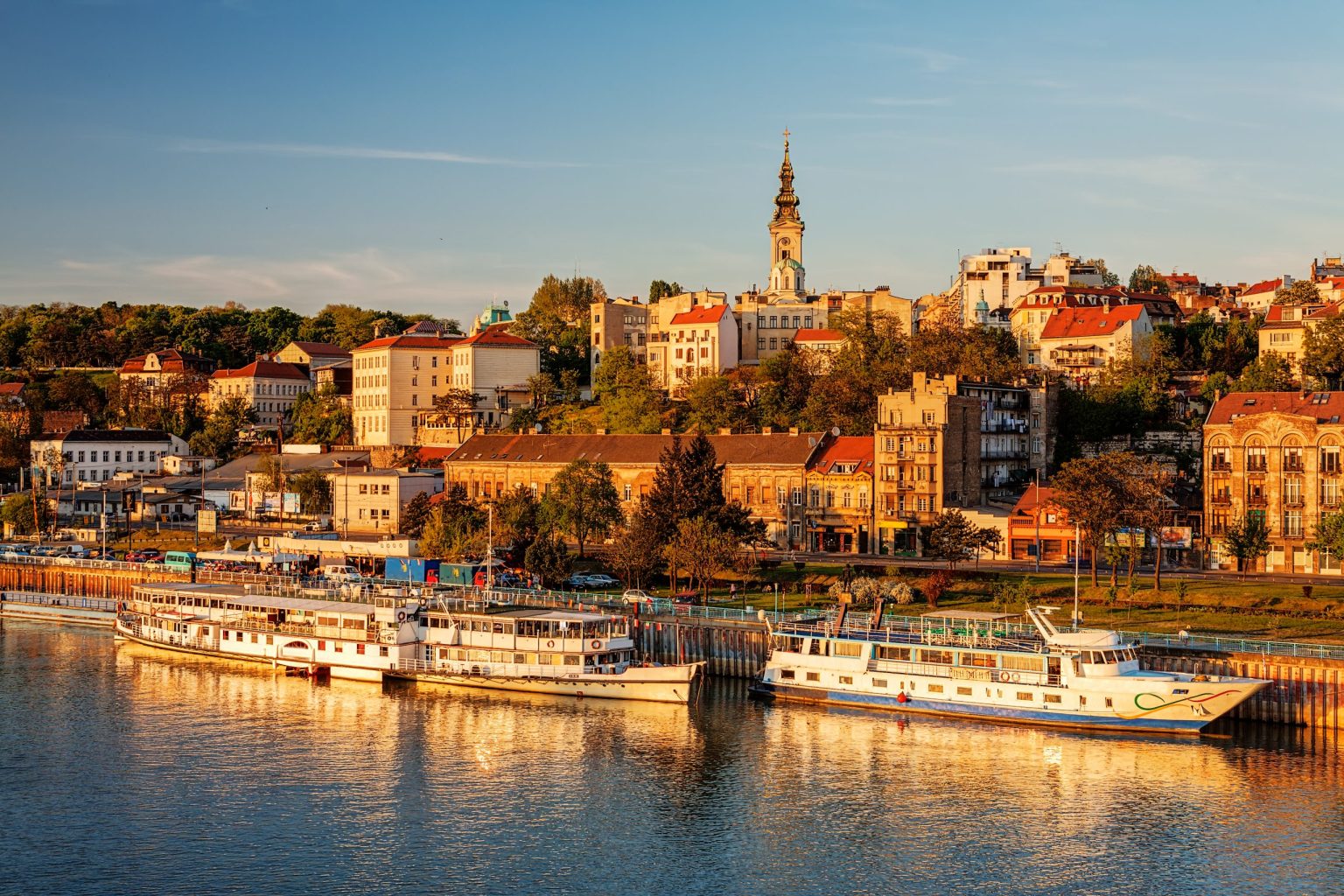
  • Serbia (Belgrade): Danube–Sava confluence, fortress, nightlife and modern Balkan energy
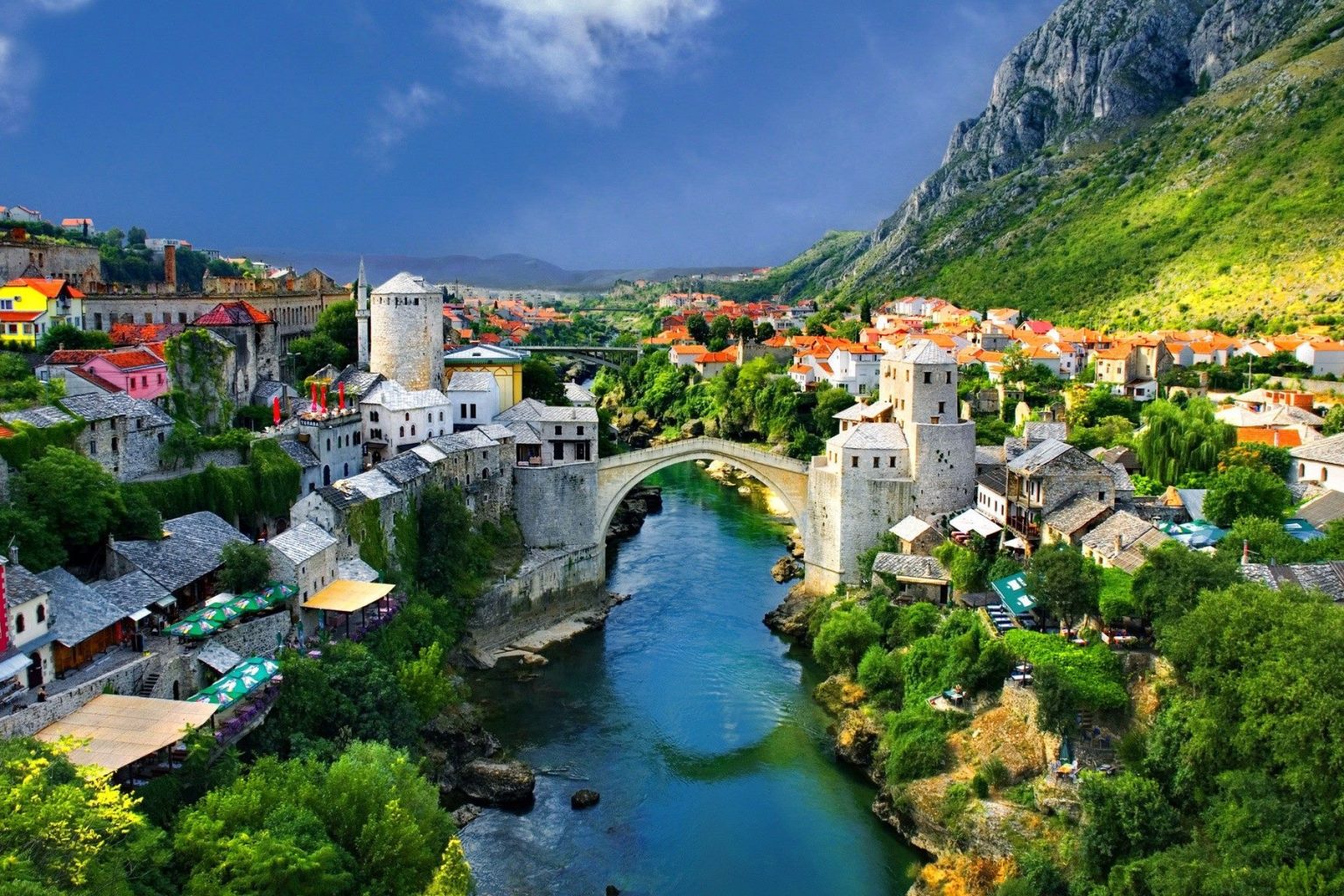
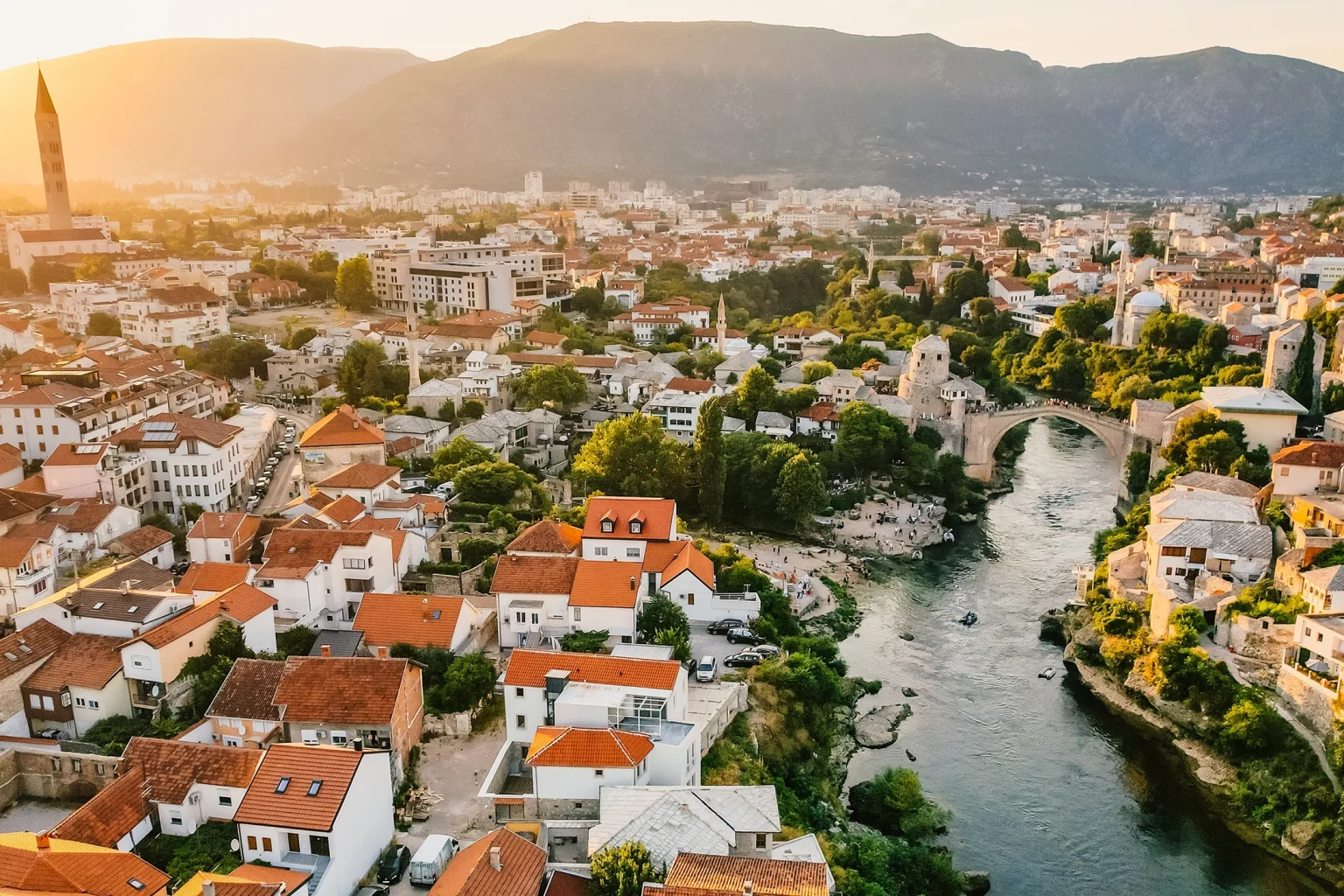
  • Bosnia & Herzegovina (Sarajevo–Mostar): Ottoman traces, bridges, the heart of history
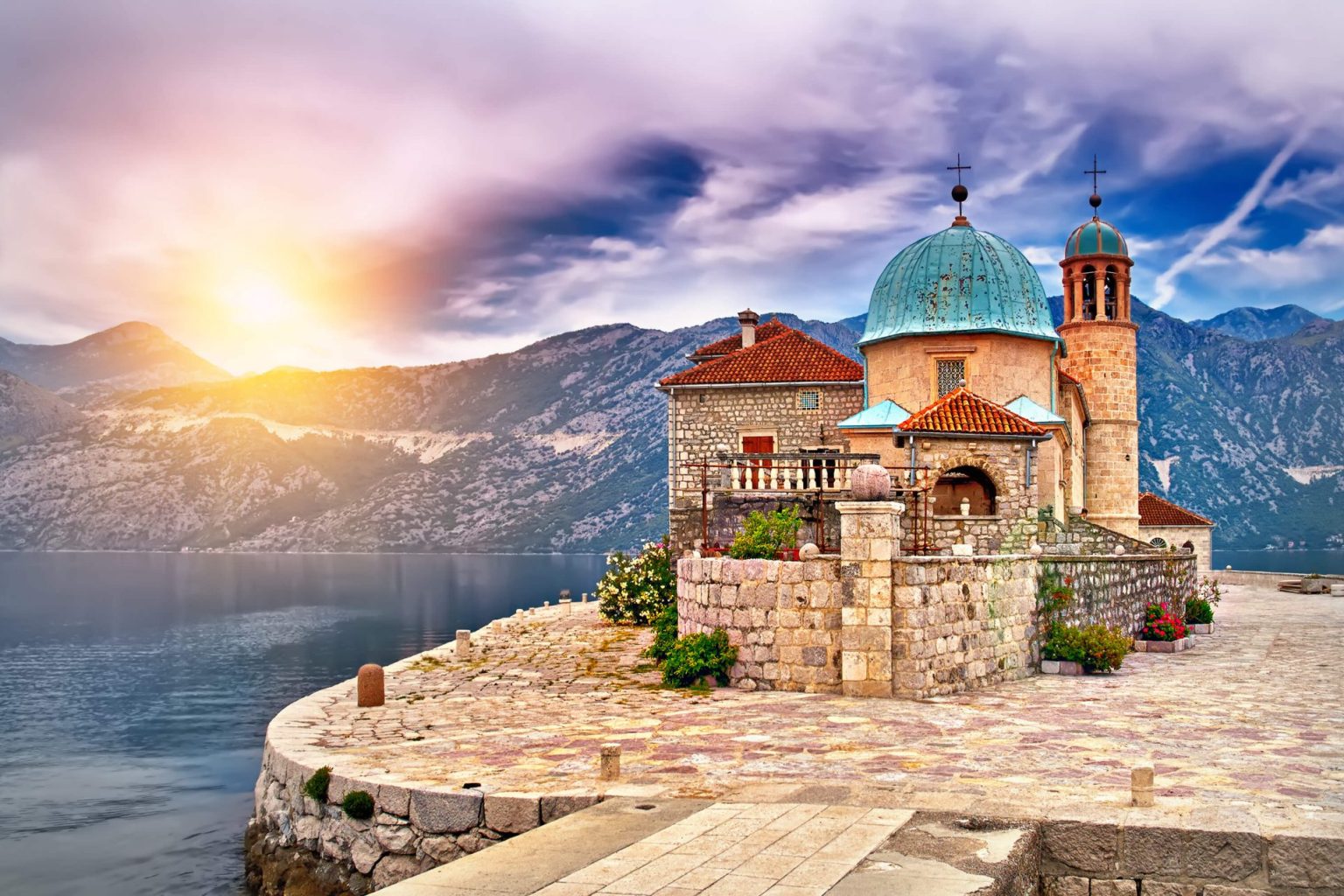
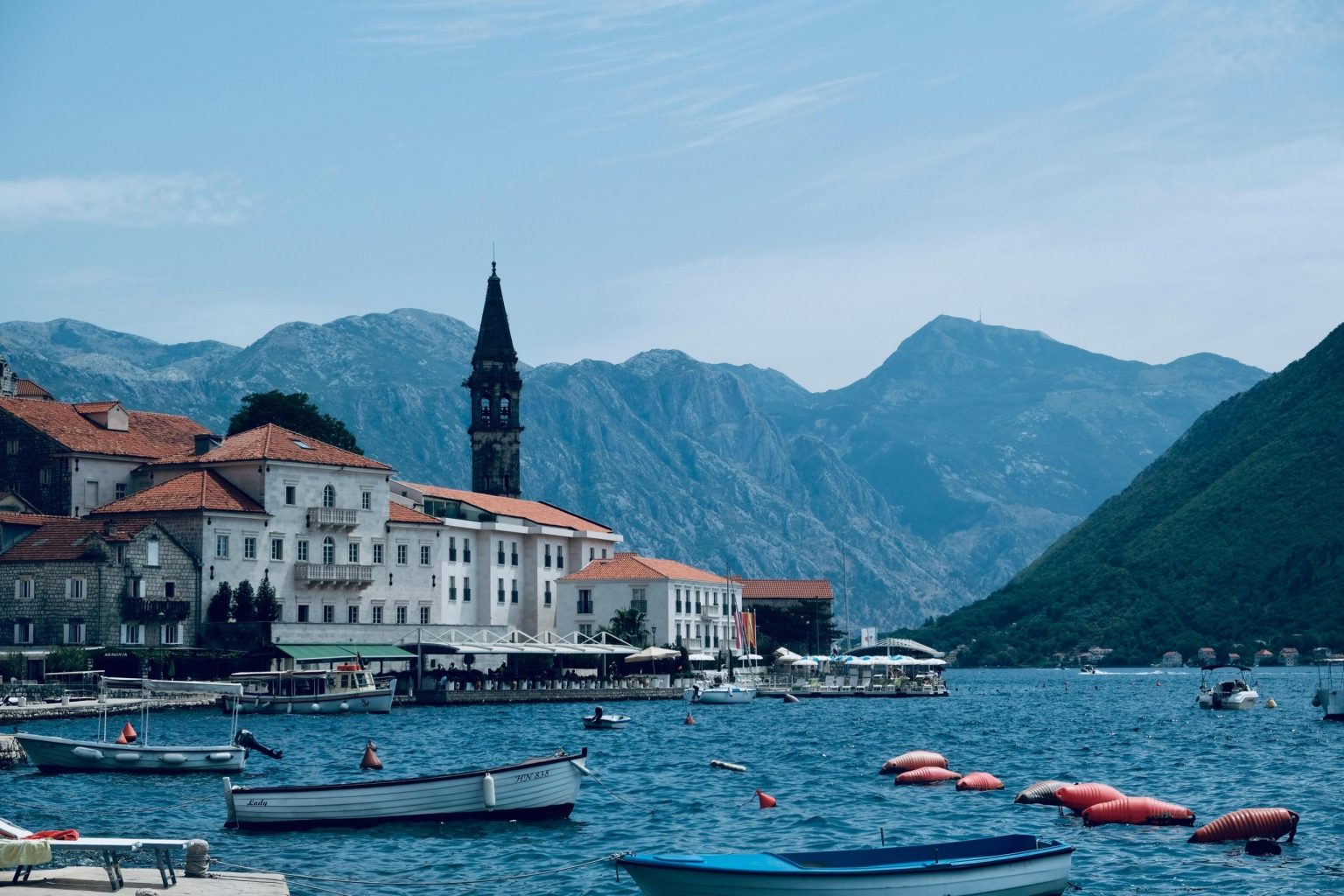
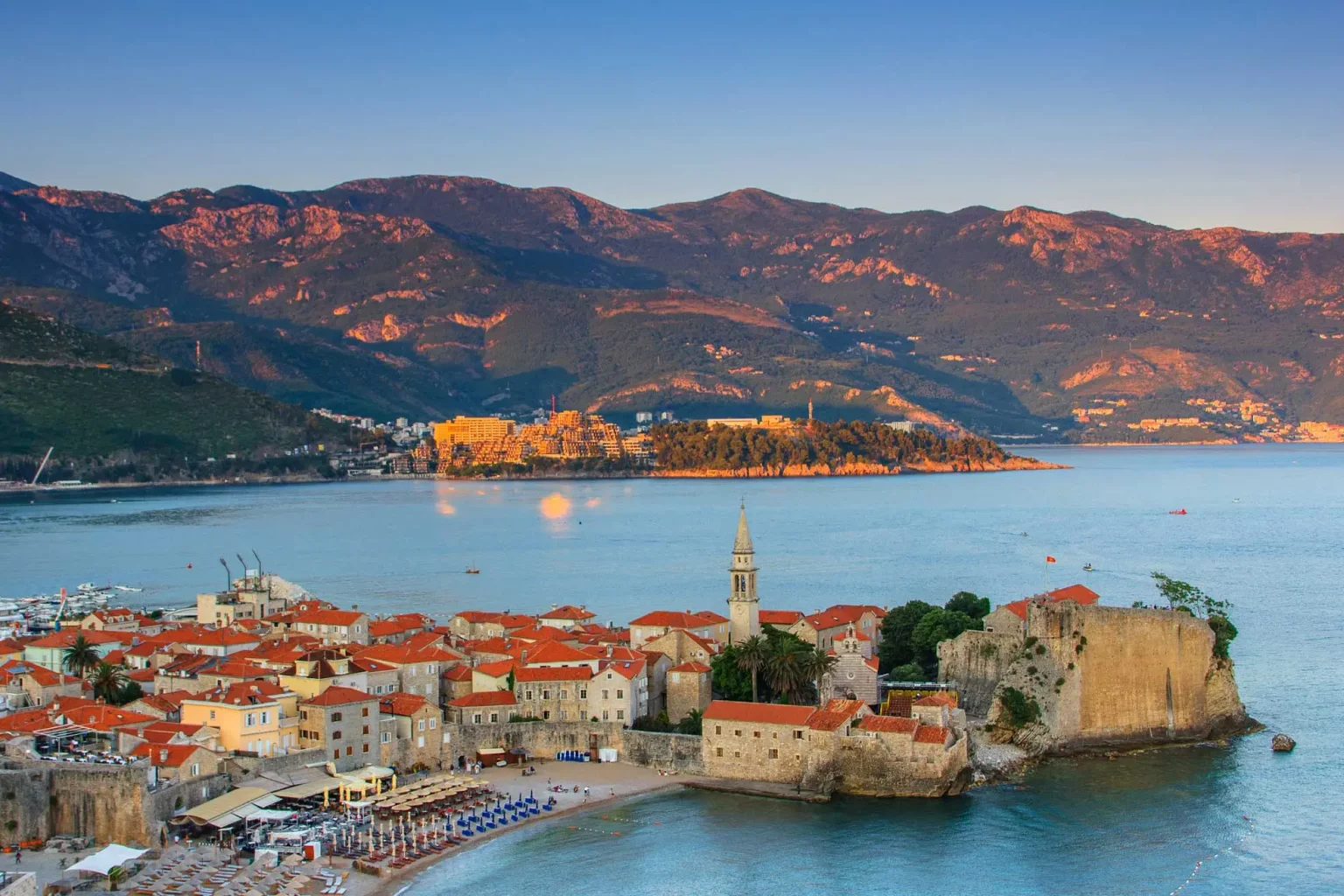
  • Montenegro (Kotor–Budva): Adriatic coast, walled towns, bays
  • Albania (Tirana–Berat): an “undiscovered” feel, authentic streets
  • North Macedonia (Skopje–Ohrid): lake views, stone bridge, Ottoman bazaar
  • Kosovo (Prizren): small yet powerful, strong Ottoman character

Extended / alternative Balkans

  • Bulgaria (Sofia–Plovdiv): Roman ruins + Balkan urban life
  • Greece (Thessaloniki–Kavala): sea + history + neighboring culture
  • Croatia (Dubrovnik–Split): stone cities + Adriatic, “Game of Thrones” atmosphere
  • Slovenia (Ljubljana–Bled): fairytale nature and well-ordered European cities
  • Romania (Bucharest–Brașov): Transylvanian legends and castles
In tourism, the term “Balkans” splits into two: Western Balkans (Bosnia, Montenegro, Albania, North Macedonia, Kosovo, Serbia) and broader Balkan / Eastern Europe combinations (Bulgaria, Romania, Croatia, Slovenia, etc.).

Reading the Balkans: A Short Historical Guide

1) Roman–Byzantine layers

The Balkans functioned as Rome’s eastern gateway. In many cities you’ll see Roman ruins on the “lower layer”, with Byzantine and medieval traces above.

2) Ottoman era

Bridges, bazaars, baths, mosques and clock towers… In many Balkan cities, Ottoman influence still stands as a living architectural language. Sarajevo, Skopje and Prizren showcase this most clearly.

3) Austro-Hungarian / Central European influence

In some cities (especially parts of Bosnia, Croatia and Slovenia), street layouts, café culture and façades suddenly feel “Central European”. You experience two worlds in a single day.

4) 20th century & recent history

The Balkans underwent rapid change in recent history. Especially in Sarajevo, these traces are deeply felt in museums and city narratives.

That’s why a Balkan tour is not just sightseeing: it is a journey through history and identity. An Ottoman bazaar on one street, European façades two streets away—this is the Balkan magic.

City by City: “What Will I Experience?”

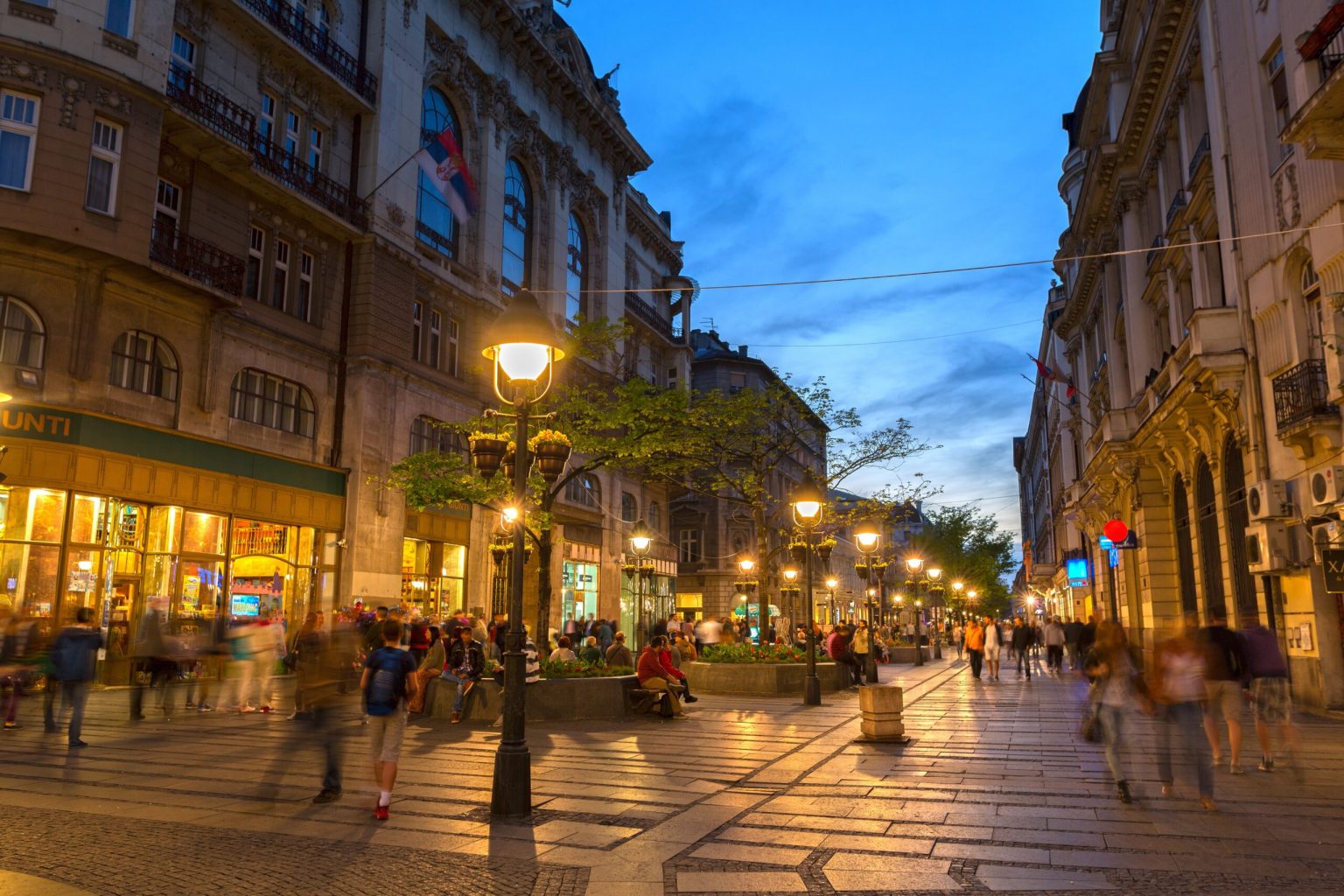
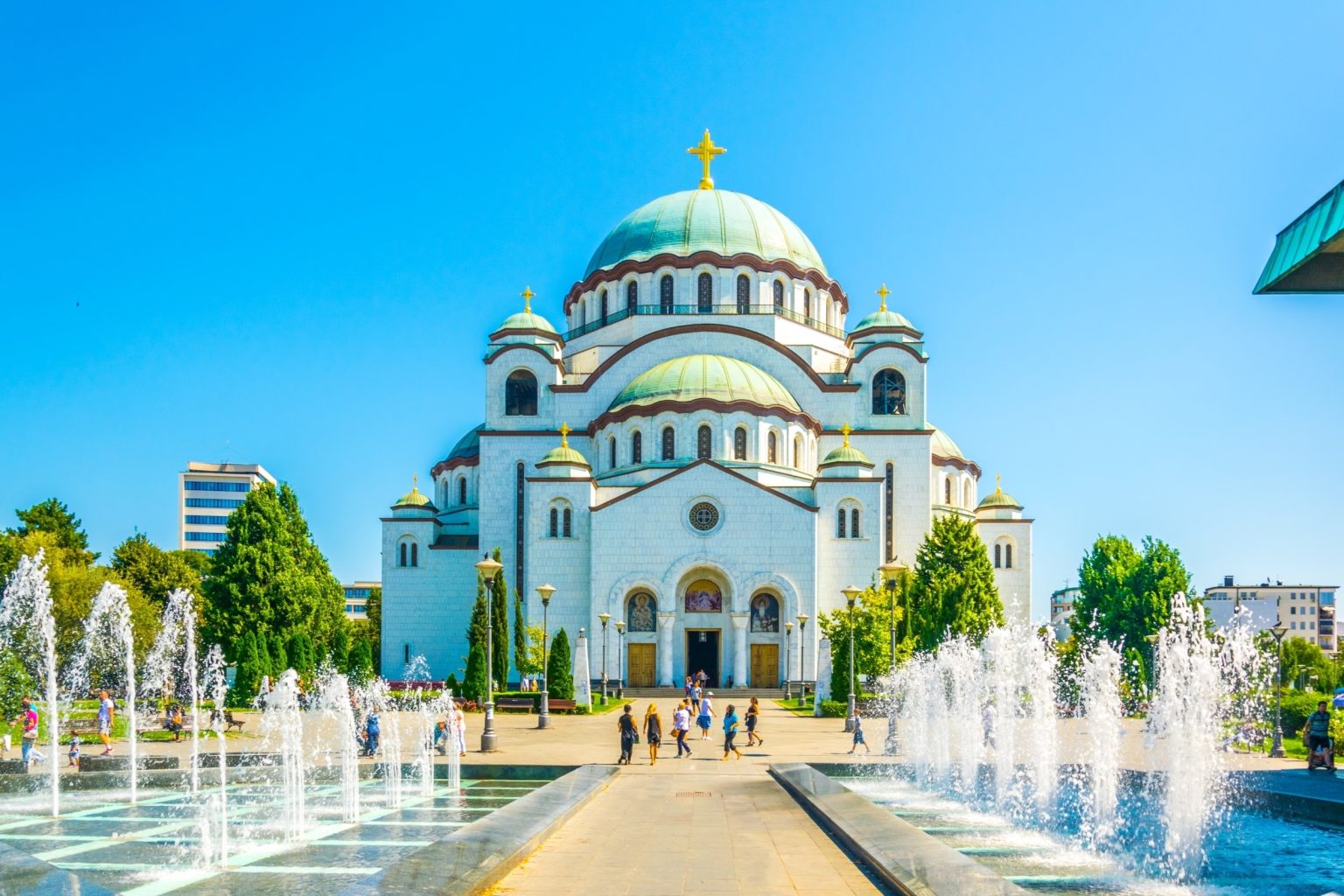
Belgrade (Serbia)

  • Kalemegdan Fortress: legendary views at the Danube–Sava confluence
  • Knez Mihailova: pedestrian street + street performers
  • Zemun: old-town feel, riverside restaurants
Belgrade is the “energy of the Balkans”: history by day, a completely different riverside vibe at night.

Sarajevo (Bosnia & Herzegovina)

  • Baščaršija: Ottoman bazaar, handicrafts, copper workshops
  • Latin Bridge: associated with one of Europe’s historical turning points
  • Coffee culture: small cups, Turkish delight, a “slow” city rhythm
Sarajevo’s impact doesn’t come from being “beautiful” but from being deep.

Mostar (Bosnia & Herzegovina)

  • Mostar Bridge: stone arch, postcard-perfect old town
  • Neretva views: turquoise river + stone streets
  • Old bazaar: small shops, souvenirs, photography
This is the city that makes you say “let me stay one more hour”.

Kotor & Budva (Montenegro)

  • Kotor Walls: the higher you climb, the more cinematic the view
  • Old Town: narrow streets, stone buildings, small squares
  • Adriatic coast: bays, sea air, café breaks
Montenegro is the Adriatic showcase of the Balkans: sea and medieval stone cities in one frame.

Skopje (North Macedonia)

  • Stone Bridge: symbol connecting two banks and two cultures
  • Old Bazaar: Ottoman character, grills, inns
  • City terraces: views + evening walks
Skopje places modern and historic side by side—statues on one side, bazaar on the other.

Ohrid (North Macedonia)

  • Lake Ohrid: one of the Balkans’ most romantic views
  • Churches & old streets: calm, peaceful exploration
  • Sunset: pure “holiday feeling” by the lake
Ohrid is the breathing stop of the tour—transitioning from cities to nature.

Prizren (Kosovo)

  • Stone bridge & bazaar: small yet extremely photogenic
  • Fortress view: see the entire city from above
  • Ottoman heritage: mosques, street layout, city soul
Prizren is the surprise of the Balkan tour—you go with low expectations and love it the most.

Tirana & Berat (Albania)

  • Tirana: dynamic city life, café culture
  • Berat: “city of a thousand windows”, stone houses
  • Sense of discovery: fewer crowds, more authenticity
Albania is one of the Balkans’ undiscovered chapters—less crowded, full of surprises.
Don’t think of these cities as a checklist. A Balkan tour delivers this feeling: three different cultures and three architectural languages within the same week.

The “Classic Balkan Tour” Experience Flow

Daily programs may vary, but the Balkan tour experience usually flows like this:

1) Getting to know the city

Fortress / main square / main street—building the city map in your head.

2) Old town & bazaar

Stone streets, handicraft shops, short shopping and photos.

3) River / lake / sea views

Danube, Neretva, Lake Ohrid, Adriatic—Balkans impress through scenery.

4) Local flavors

Coffee rituals, pastries, grills, seafood—each country tastes different.

5) Recent history & stories

Museums, guide narration, city transformations—adding depth to the tour.

6) Free time

The best photos and memories usually come during free time.

Before You Go: Practical Information

Transportation & border crossings

  • Crossing borders is frequent on Balkan routes; passport checks are normal.
  • City centers are walkable; most old towns are compact.
  • Well-planned routes are comfortable; poor planning turns it into a long bus tour.

Season & weather

  • Spring–autumn is ideal: walking, photos, cafés at their best.
  • Adriatic routes shine in summer; some cities get hot.
  • Light layers are useful in the evenings, especially near rivers and lakes.
Currency and daily spending vary by country. That’s why budgeting is best done according to the specific route.

Frequently Asked Questions

How many days are ideal for a Balkan tour? Depending on route density, 4–7 days is the sweet spot. Too many countries reduce enjoyment.
Is it suitable for first-time international travelers? Yes. Short distances, walkable cities and familiar culture make it a smooth transition destination.
What is the biggest “wow” moment? Usually the Mostar Bridge view, Kotor walls, Ohrid sunset and Prizren’s surprise atmosphere.
Guided tour or free exploration? Best formula: guided core flow + free time for photos and cafés.

Let’s Finalize Your Balkan Plan Together

Which countries do you want to include, how many days do you have, “history or sea?”—let’s build the perfect Balkan route accordingly.

Contact Us